| ☁ London 16°C

Syria’s Recovery Remains Fragile as Food Aid Cuts Leave Families Struggling
Years of conflict have damaged homes, livelihoods and essential services across Syria. Although some families have begun returning to their communities, many are finding that recovery is difficult: jobs are scarce, prices remain high, infrastructure is damaged and humanitarian food assistance has been reduced.
The World Food Programme (WFP) says 7.2 million people in Syria are acutely food insecure, including 1.6 million facing severe food insecurity. In May, funding shortfalls forced WFP to cut its emergency food assistance caseload by half—from 1.3 million people to 650,000—and suspend its nationwide bread subsidy programme, which had helped millions access affordable bread.
Returns do not mean families can rebuild
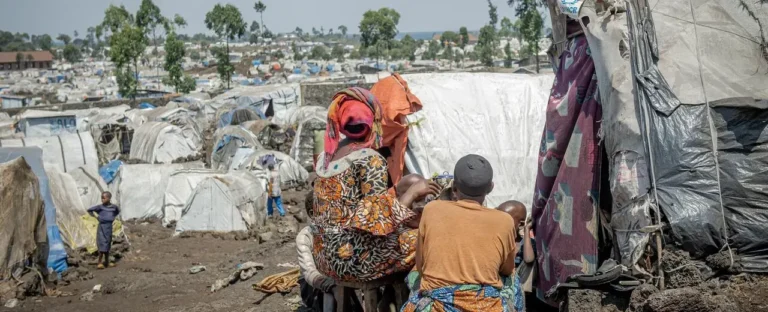
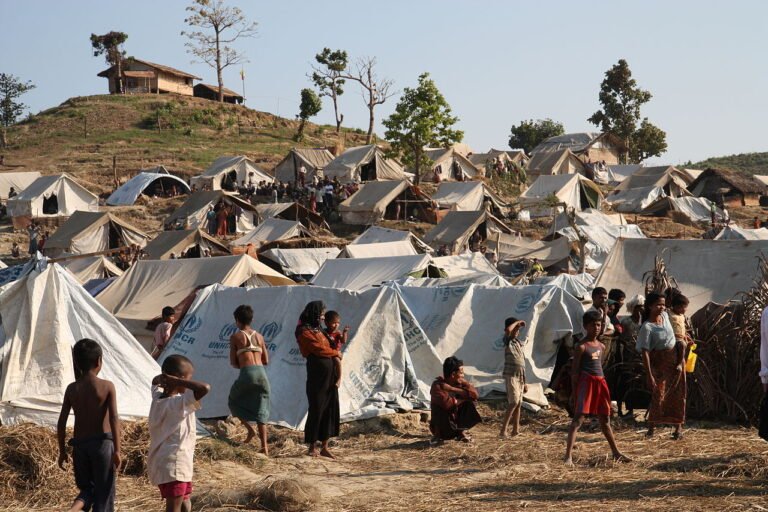
Millions of Syrians remain displaced inside the country, while many others have returned after years away. WFP reports that approximately 5.54 million people remain internally displaced and that more than 1.6 million returnees have arrived since December 2024. Some return to damaged homes and communities where infrastructure, livelihoods and basic services are still limited.
Food insecurity is especially difficult for displaced and returning households with few assets or reliable income. FEWS NET warns that poor households in northeastern and northwestern Syria continue to face crisis-level food insecurity, with winter expenses such as heating, education and planting adding pressure on family budgets.
Reduced assistance compounds economic hardship
Food aid remains a vital support for families whose incomes cannot keep up with food and transport costs. FEWS NET reported that by June, regular food-basket distributions had reached fewer than half of the people targeted nationwide. It also noted that the suspended bread subsidy had supported more than 300 bakeries and up to four million people each day.
The challenges extend beyond food. The United Nations estimates that 15.6 million people need humanitarian assistance in 2026. Many families also need shelter materials, healthcare, clean water and other essentials. The UN notes that damaged housing remains a serious concern, including for people returning to areas affected by years of conflict.
Recovery requires restoring essential services
Syria’s 2026 harvest is expected to be better than last year’s drought-affected crop, according to the Food and Agriculture Organization. But improved production alone cannot resolve hunger: high prices, weak purchasing power, transport costs and limited job opportunities continue to restrict access to food for many households.
Aid agencies are continuing emergency food and nutrition support while also backing efforts to restore agriculture, bakeries, irrigation and local markets. WFP says its work includes food and cash assistance, nutrition services and livelihood support, but that critical funding gaps have forced some programmes to scale back.
For vulnerable families, recovery depends on more than returning home. They need dependable access to food, safe shelter, healthcare and functioning public services, alongside opportunities to rebuild livelihoods. Continued humanitarian support can help meet urgent needs while longer-term recovery efforts work to restore the systems communities rely on.