| ☁ London 16°C
Myanmar Conflict and Displacement Leave Millions in Need of Humanitarian Aid
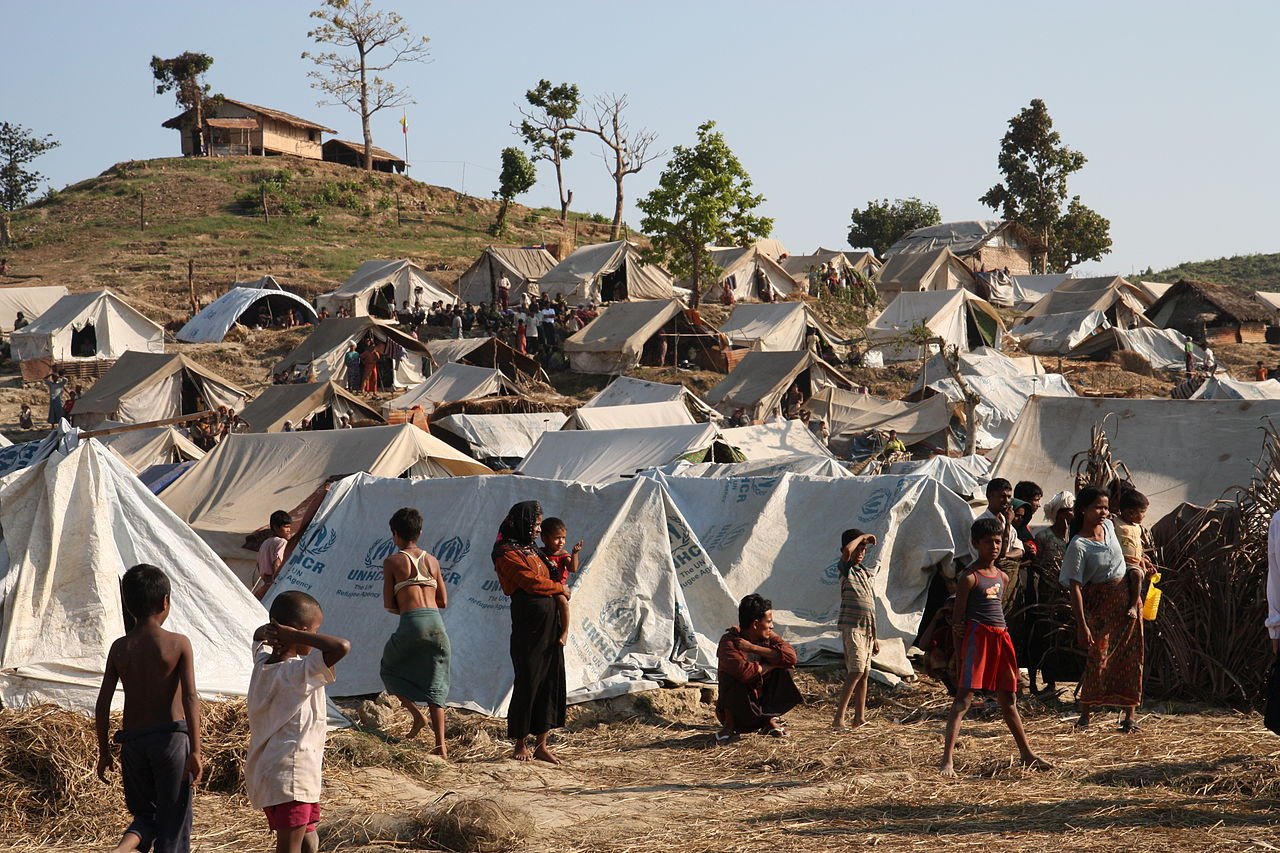
Conflict and repeated displacement continue to put communities across Myanmar at risk, while economic hardship, natural disasters and restricted humanitarian access add to the pressure on families. People forced from their homes need safe shelter, food, healthcare and protection from violence, exploitation and other abuses.
The United Nations estimates that more than 16 million people in Myanmar need humanitarian assistance in 2026. The number of internally displaced people is also rising: UNHCR’s latest available country data, updated October 19, puts the total at approximately 4.06 million. Many families have been displaced more than once as fighting moves across regions.
Conflict and insecurity make aid harder to reach
Fighting has driven new displacement in several parts of the country, including the northwest and southeast. In Rakhine State, recent military operations and clashes have affected villages and civilian infrastructure. Humanitarian analysts say insecurity and transport disruptions are making access to healthcare more difficult and increasing protection risks.
Even when aid is available, reaching people can be difficult. Movement restrictions, administrative barriers, damaged roads and insecurity can delay or prevent deliveries. OCHA reported that humanitarian partners reached an estimated 3.1 million affected people by the end of June, providing different forms of help including food, healthcare, protection, cash and safe water. The organization cautions that the total reflects people reached across different types of assistance; it does not mean every person received enough support or received it for as long as needed.
Hunger and health needs remain severe
The World Food Programme estimates that 12.4 million people face acute hunger in Myanmar in 2026, including one million experiencing emergency levels of food insecurity. It also reports that 400,000 young children and mothers are suffering from acute malnutrition. Conflict, poverty, economic decline and climate-related shocks are all contributing to the crisis.
Displaced households can face particular difficulties accessing food, medical treatment and clean water. Children, women, older people and people with disabilities may also face heightened risks when families are separated or forced to live in unsafe and overcrowded conditions. Humanitarian agencies warn that protection concerns include violence, forced recruitment, arbitrary detention, trafficking and gender-based violence.
Flooding and disease threats can compound the effects of conflict. UNICEF reported that flooding had affected an estimated 600,000 people by the end of August, damaging homes and disrupting health facilities, schools and transport infrastructure. An acute watery diarrhoea outbreak added further concern for affected communities.
Families need sustained assistance and protection
Relief priorities include emergency shelter, food and nutrition services, healthcare, clean water and sanitation. Aid agencies also stress the need for protection services and safe, sustained access to communities cut off by fighting or damaged infrastructure.
The response remains constrained by funding. OCHA’s July update said 43 per cent of the US$890 million required for the 2026 humanitarian plan had been received at that point. The funding gap limits the ability of relief organizations to maintain and expand life-saving support as needs continue.
Myanmar’s humanitarian emergency is shaped by overlapping crises: armed conflict, mass displacement, hunger, economic hardship and natural disasters. For families caught in these conditions, reliable access to shelter, food, healthcare and protection can be critical to survival and recovery.