| ☁ London 16°C
Ukraine War Leaves Civilians Displaced and Communities Struggling to Survive
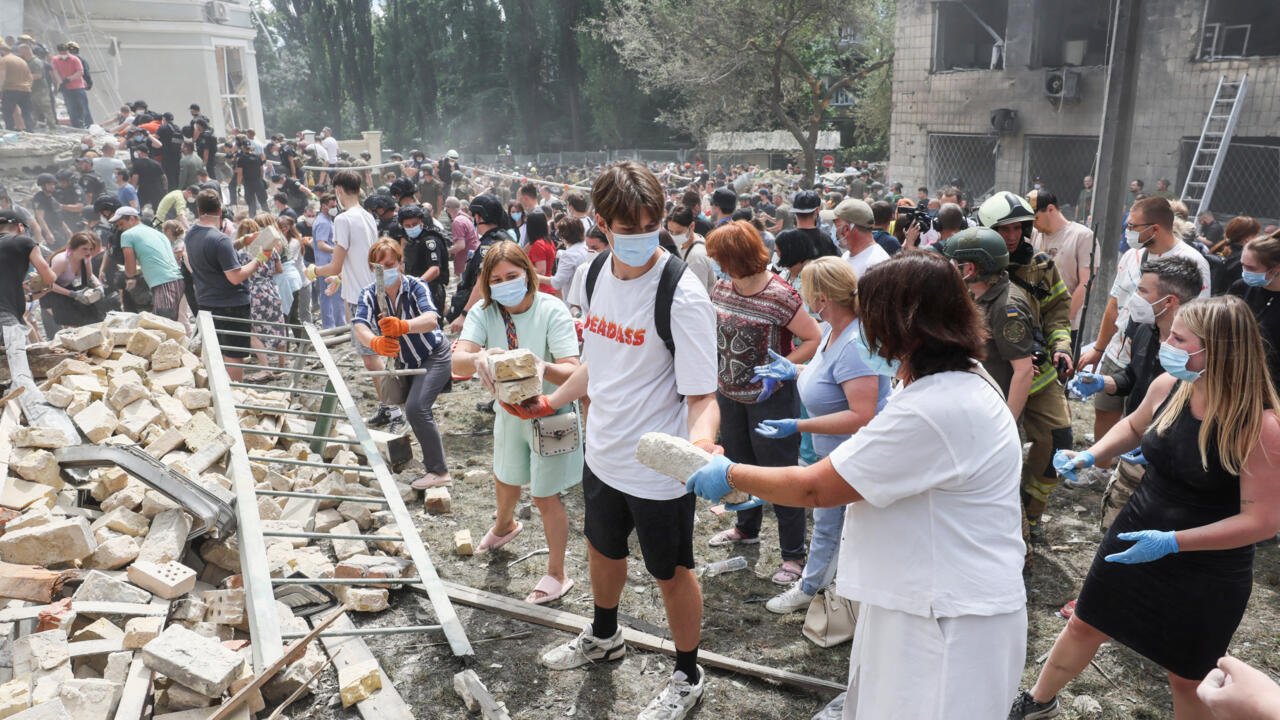
Continued fighting and attacks on civilian infrastructure are forcing people from their homes across Ukraine. Families near the front line face repeated displacement, damaged housing and interrupted access to electricity, heating, water and healthcare. As winter approaches, humanitarian agencies warn that many households have little capacity left to cope with another emergency.
The United Nations estimates that 10.8 million people in Ukraine need humanitarian assistance in 2026. Since January, more than 136,000 evacuees have passed through transit centres supported by the UN refugee agency, around 70 per cent more than the number recorded at those centres in 2025. Many evacuees are especially vulnerable: nearly 40 per cent are older people, and others include people with disabilities or serious health needs.
The greatest needs remain concentrated in frontline and northern border communities. Attacks and evacuation orders have displaced residents, damaged homes and disrupted essential services. People fleeing may need safe transport, temporary shelter, food, medical care and help reaching social services. Those who remain in high-risk areas may need assistance delivered locally, where access can be difficult for humanitarian teams.
Displacement often continues after people leave the immediate danger. IOM estimates that nearly 3.6 million people remain internally displaced in Ukraine. Many who have returned are living in damaged homes, and some may be forced to move again because of renewed attacks, unaffordable heating or loss of power. IOM says only 32 per cent of households reported being able to heat their homes adequately during the last cold season; in frontline areas, the figure fell to one in four.
The 2026–2027 Winter Response Plan aims to assist 2.1 million people between October and March. Planned support includes heating assistance, shelter repairs, healthcare, protection, food and cash assistance. Humanitarian organizations say timely funding and safe access are needed to reach people before conditions worsen.
For displaced families and residents in frontline communities, immediate priorities include safe evacuation when needed, emergency accommodation, food deliveries, medical assistance, heating and repairs to damaged homes. Continued support is also important for older people, people with disabilities, children and those who cannot safely leave their communities.