| ☁ London 16°C
Yemen Conflict and Hunger Emergency Deepens as Families Flee Fighting
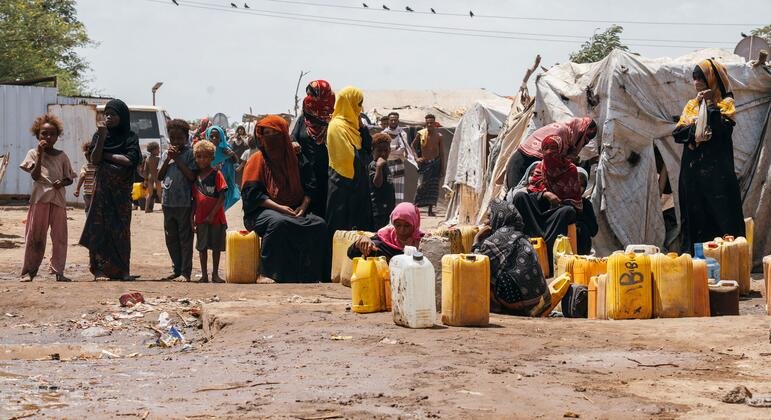
Renewed fighting in Yemen is forcing families from their homes, disrupting food supplies and making it harder for humanitarian organizations to deliver assistance. Many displaced households urgently need food, clean water, shelter and medical care, while children facing malnutrition require treatment and sustained nutrition support.
The World Food Programme (WFP) reported on October 2 that renewed fighting had displaced more than 149,000 people, many of whom had already been forced to flee before. Conflict has also disrupted markets and restricted humanitarian access, leaving some families unable to find or afford basic food.
Hunger is worsening as families lose access to food
WFP says 18.3 million people across Yemen face acute food insecurity, while about 2.2 million children under five are acutely malnourished, including 500,000 with severe acute malnutrition. In areas that aid workers could reach, recent WFP monitoring found that 74 per cent of households were unable to meet their basic food needs—the highest level recorded so far this year in that monitoring.
Displacement makes these pressures harder to manage. Families who leave home may lose income, belongings and access to farms or regular markets. Some displaced communities rely on emergency food distributions because nearby markets are difficult to reach or supplies are limited. Yemen imports around 90 per cent of its food, leaving the country vulnerable to disruptions in trade, shipping and supply chains.
Fighting is disrupting services and aid deliveries
The latest escalation has affected areas including western Taiz, southern Al Hudaydah and Marib. UNICEF reported in September that fighting had displaced more than 104,000 people in two weeks and disrupted services at 26 UNICEF-supported health facilities. It also said 243 schools had closed or suspended learning, affecting more than 137,000 students.
By early October, WFP said insecurity and damaged or inaccessible transport routes had prevented it from reaching around 350,000 people in parts of Taiz and Al Hudaydah. The agency warned that access restrictions, rising transport costs and depleted relief stocks could widen gaps in food assistance.
Displaced families need urgent, coordinated support
The needs extend beyond food parcels. Families require safe drinking water, sanitation facilities, emergency shelter and healthcare. Children with acute malnutrition need timely screening and treatment, while pregnant women, older people and people with disabilities may face additional barriers to accessing aid.
UNHCR estimates that 22.3 million people in Yemen will need humanitarian assistance in 2026, including 5.2 million internally displaced people. The agency says displacement is prolonged for many families, with some living for years in informal settlements and facing limited prospects for safe return or relocation.
Humanitarian agencies are scaling emergency assistance, but insecurity and funding shortages limit how many people can be reached. WFP said it had assisted more than 70,000 people in two major displacement hotspots in Taiz and Lahj, and was preparing to expand its response if further fighting triggered additional displacement. It also warned that existing stocks and resources were under pressure.
The worsening emergency reflects the combined impact of conflict, hunger, economic hardship and restricted access to essential services. For displaced families, timely food and nutrition assistance, clean water, shelter and medical care can help prevent an already difficult situation from becoming more severe. Humanitarian organizations continue to call for civilian protection and safe, unimpeded access so that assistance can reach people in need.