| ☁ London 16°C
Armed Violence Displaces Thousands in Haiti as Insecurity Spreads Beyond the Capital
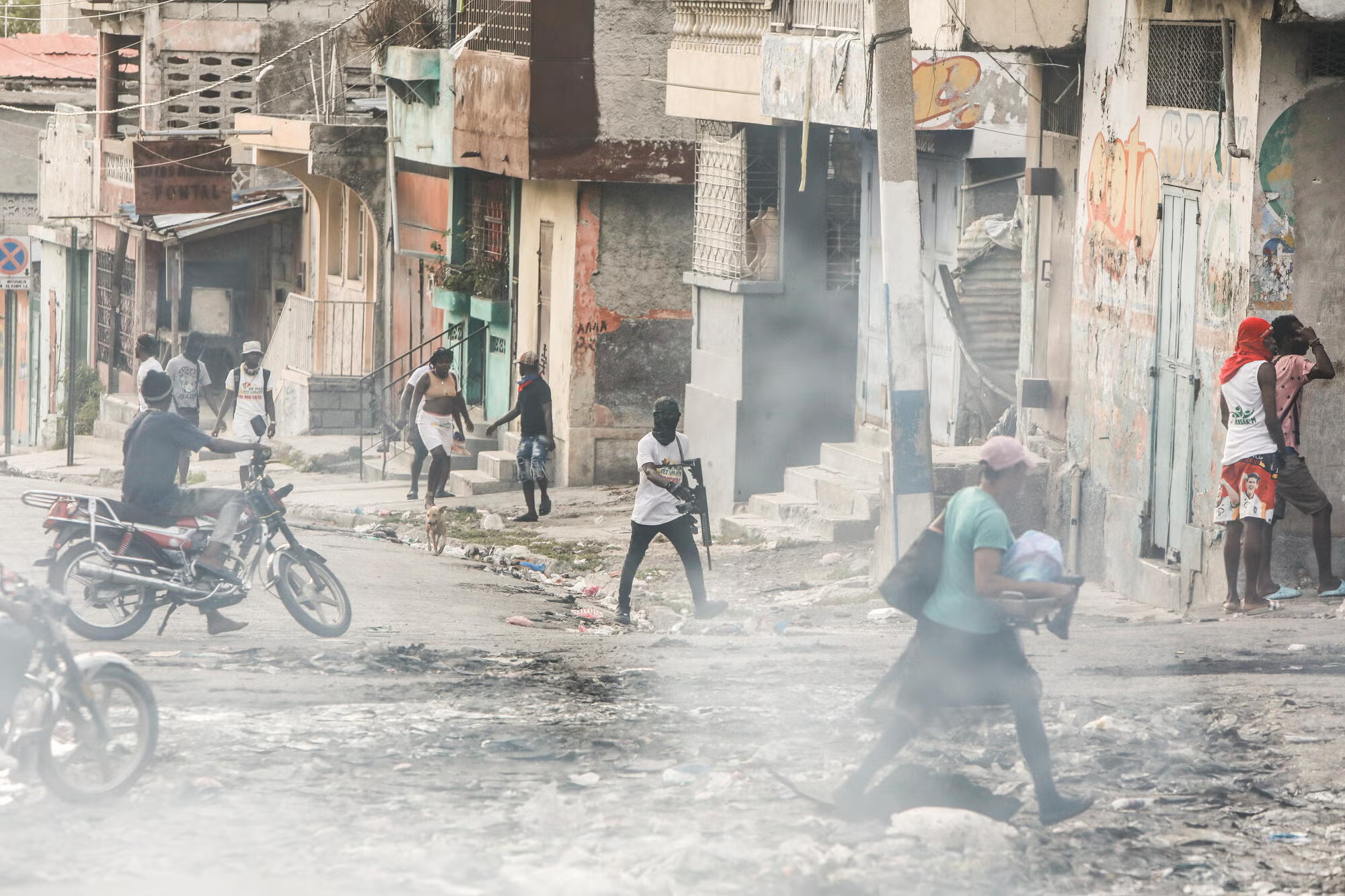
eading insecurity beyond the capital, Port-au-Prince. Recent attacks in the West and Artibonite departments have displaced thousands of people, many of whom are staying with host families or in temporary sites while facing urgent needs for shelter, food, clean water, healthcare and protection.
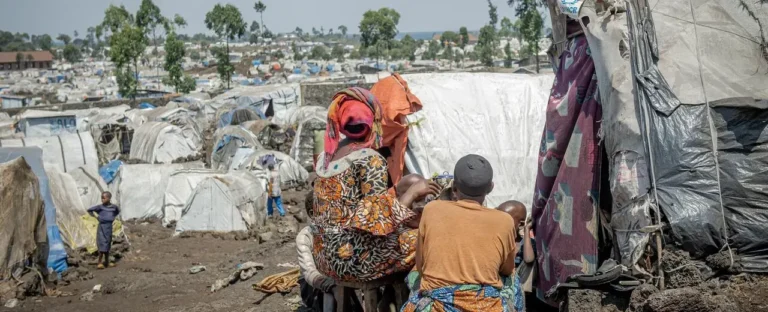
The International Organization for Migration’s Displacement Tracking Matrix reported that violence in Croix-des-Bouquets, in the West Department, displaced approximately 1,937 people from October 18 onward. Most sought refuge in nearby Tabarre. The agency said 85 per cent were staying with host families, while others were sheltering at spontaneous displacement sites.
A separate report recorded approximately 7,250 people displaced by violence in Petite Rivière, in the Artibonite Department, from October 19 onward. Around 60 per cent sought refuge in Petite Rivière and 40 per cent in neighbouring Verrettes. Most were staying with host families, while others settled in existing sites.
A national displacement emergency
These local movements are occurring amid a far wider crisis. UN officials said this month that Haiti had nearly 1.5 million internally displaced people, including more than 740,000 children. They also reported that more than 1,000 people were killed between July and September, while violence and insecurity continued to disrupt daily life and humanitarian operations.
The violence has increasingly affected areas outside Port-au-Prince. Insecurity in rural communities and along transport routes can force families to flee while also making it harder for aid workers to deliver supplies. Some people may be unable or afraid to leave because of threats, movement restrictions or concerns that their homes and belongings could be looted.
Food insecurity and protection needs
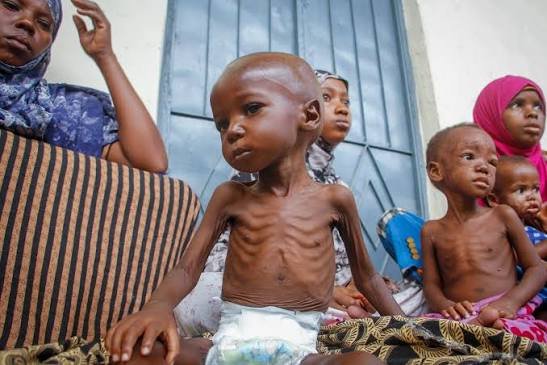
Displaced families often arrive with few possessions and limited ways to earn an income. The World Food Programme estimates that 5.8 million Haitians are facing hunger, including more than 1.8 million people experiencing emergency levels of food insecurity. It also reports that nearly 277,000 children are suffering from acute malnutrition.
For children and other vulnerable people, displacement can bring additional risks. Recent reporting from UN agencies and humanitarian partners describes widespread protection concerns, including sexual violence, kidnapping and exploitation. Families may also struggle to access healthcare, safe water and sanitation, particularly when displacement sites are crowded or services are overwhelmed.
The humanitarian response needs to provide safe accommodation, food, clean water, medical care and protection services. Aid groups also need secure access to affected communities so they can assess needs and deliver assistance. The UN’s 2026 plan estimates that 6.4 million people in Haiti will require emergency humanitarian assistance this year.
With fresh violence triggering new displacement in both urban and rural areas, assistance must reach people quickly and remain available as needs change. For families forced to flee, immediate support can help meet basic needs and reduce exposure to further harm while insecurity continues.