| ☁ London 16°C
Somalia Drought and Hunger Emergency Puts Children at Growing Risk
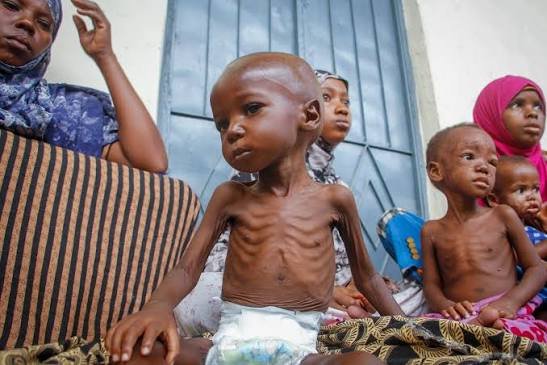
Drought, displacement and shrinking humanitarian assistance are deepening hunger in Somalia, leaving millions of people struggling to secure food and basic services. Children, displaced families and rural communities are among those facing the greatest risks as households contend with poor harvests, lost livestock, high prices and limited access to healthcare.
A September assessment by the Federal Government of Somalia and United Nations agencies projected that 5.4 million people would face crisis levels of hunger or worse from October to December 2026. That includes an estimated 1.5 million people facing emergency levels. The same analysis said 1.92 million children under five would need treatment for acute malnutrition between July 2026 and June 2027, including 433,000 with severe acute malnutrition. These are projections, and conditions may change as new assessments become available.
Drought and displacement erode families’ ability to cope
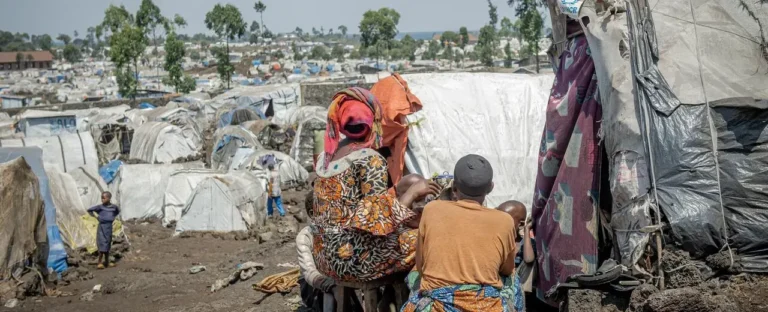
Successive poor rainy seasons have weakened livelihoods, especially in rural and agropastoral communities that depend on crops and livestock. Families who lose animals or harvests can also lose income and the ability to buy food. Displacement adds further hardship, often leaving households in need of shelter, safe water and medical assistance.
The latest IPC analysis warned of particular concern for displaced people in Baidoa, in Bay Region, where a group of internally displaced people could face catastrophic food insecurity under a worst-case scenario. It also projected extremely critical levels of acute malnutrition among displaced people in Beletweyne and in some Baidoa displacement sites. The Baidoa famine-risk estimate was based on data collected in April, and the agencies said a follow-up assessment was planned for October.
Flooding could bring another shock
Somalia is preparing for possible heavy rains and flooding during the October–December Deyr season. The September assessment warned that flooding could damage crops and livestock, cut off markets and roads, and force more people to leave their homes. The Somalia Disaster Management Agency estimated that 2.5 to 3.5 million people could be exposed to flooding, with as many as one million potentially displaced. These figures describe forecast risk, rather than confirmed impacts.
Flooding can also make it harder for humanitarian teams to reach communities and can increase exposure to disease when water and sanitation services are disrupted. The United Nations says it is intensifying preparedness and contingency planning, while noting that drought, conflict and declining aid have already weakened many households’ ability to withstand another shock.
Aid cuts threaten food and nutrition services
Funding shortages are limiting the reach of relief programs at a time when needs remain high. UNICEF reported in August that 205 health and nutrition facilities had closed amid aid cuts, while admissions of children with severe acute malnutrition and complications increased during the first half of the year. The agency warned that reduced community services can delay the identification and treatment of malnutrition.
Humanitarian agencies are calling for continued food and cash assistance, treatment for acute malnutrition, clean water, healthcare and preparedness support before flooding may restrict access. They also stress the importance of reaching rural communities and displaced families with integrated services, rather than food aid alone.
Somalia’s emergency reflects the combined impact of drought, conflict, displacement and reduced aid. Timely assistance can help families meet immediate needs and protect children from worsening malnutrition. The coming months will be critical as agencies monitor food security, nutrition and weather conditions and work to reach communities at greatest risk.