| ☁ London 16°C
Conflict and Disease Outbreaks Put Displaced Families in the Democratic Republic of the Congo at Risk
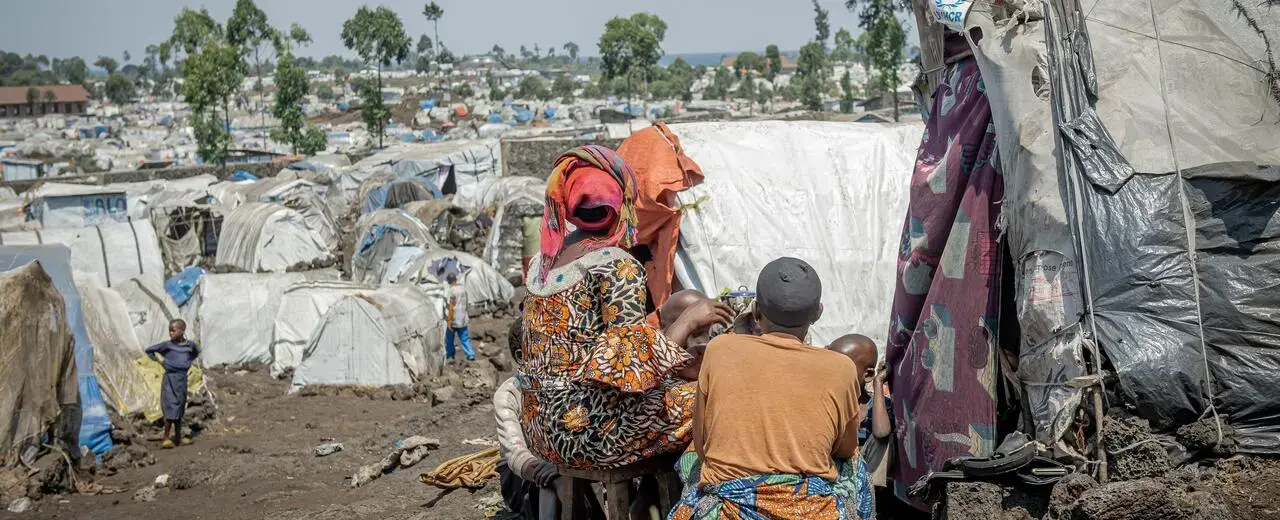
Armed conflict and disease outbreaks are compounding the humanitarian crisis facing families displaced in the eastern Democratic Republic of the Congo (DRC). Many people have fled their homes more than once, while insecurity and pressure on local services make it difficult to obtain safe water, sanitation, shelter and medical care.
The United Nations’ 2026 humanitarian plan estimates that 18.5 million people in the DRC need humanitarian assistance. Conflict and insecurity remain major drivers of those needs. The International Organization for Migration (IOM) reports that millions of people remain displaced or have returned to areas where homes and essential services may have been damaged. Humanitarian agencies also warn that insecurity, access restrictions and funding gaps are making it harder to reach affected communities.
Displacement increases pressure on basic services
In eastern provinces such as Ituri, North Kivu and South Kivu, families displaced by violence may arrive in already stretched communities or in displacement sites where services are limited. Crowded living conditions can make it harder to maintain hygiene and can increase exposure to disease, particularly when clean water, toilets and health facilities are insufficient.
In July, the World Health Organization reported that more than 25,000 people had fled to Kigonze camp near Bunia, in Ituri Province, after intercommunal conflict. The agency highlighted concerns about hygiene conditions and the camp’s vulnerability to infectious disease. The situation illustrates how displacement can create additional public-health risks when many people must rely on limited facilities.
Disease outbreaks strain an overstretched health system
The risks are heightened by recurring epidemics. The World Health Organization’s August 2026 reporting recorded 6,691 new cholera cases and 154 associated deaths in the DRC during that month, with cases reported in 19 of the country’s 26 provinces. Insecurity in North and South Kivu was also restricting access and interrupting some community-level health activities, according to the report.
The DRC is also responding to other serious disease threats. WHO’s health-sector overview says an estimated 7.5 million people will require life-saving health assistance in 2026, as conflict, displacement, shortages and attacks on health care disrupt services. The agency identifies cholera and mpox among the outbreaks adding pressure to the health system.
What displaced communities need
Humanitarian organizations say the response must address immediate needs while helping prevent outbreaks from spreading. Priorities include safe drinking water, functioning latrines and handwashing facilities, emergency shelter, essential medicines, vaccination and treatment services, and protection for people at heightened risk—including children, older people and survivors of violence.
The needs are substantial. UNICEF estimates that 5.3 million people in the DRC will require emergency water and sanitation support in 2026. The agency warns that displaced women and children face particular risks when access to clean water and hygiene facilities is inadequate.
Aid delivery also depends on safe and reliable access to affected areas. When insecurity blocks roads, interrupts health outreach or forces agencies to suspend activities, families can be left without timely assistance. Humanitarian needs therefore include both supplies and the conditions that allow local services and relief teams to reach people safely.
The crisis in eastern DRC is driven by overlapping pressures: armed conflict, repeated displacement, disease outbreaks and limited access to essential services. For families living in crowded or underserved settings, reliable water, sanitation, shelter and medical care are urgent protections against both immediate hardship and preventable illness.